
VALVE MAINTENANCE
_svg.png)


The valve system in the wastewater treatment plant plays a role in regulating the flow, controlling the pressure, dividing the water, preventing backflow and ensuring stable operation for the entire treatment line. Maintaining the valve system helps prevent leaks, valve jams, gasket damage, reducing the load on the pump and maintaining the designed operating flow.
1. The role of valve system in wastewater treatment plant
-
Regulate the flow of wastewater into/out of each functional tank.
-
Prevent backflow (especially in one-way valves).
-
Isolate each area when repair or maintenance is needed.
-
Stabilize the pressure in the pipeline to protect the pump.
-
Support stable operation in the stages: separation, conditioning, settling, biological, filtration, disinfection.
Common types of valves include: butterfly valves, gate valves, ball valves, saddle valves, check valves, regulating valves, air valves, sludge discharge valves, with accessories such as handwheels, gearboxes, electric/pneumatic actuators, bolts - flanges, EPDM/NBR rubber gaskets.
2. Valve system maintenance work
2.1 Visual inspection (weekly – monthly)
-
Observe for leaks at the valve shaft, joints, and flanges.
-
Check for smoothness when opening/closing: if it is stiff, over-tightened, or stuck, further inspection is required.
-
Observe for corrosion, oxidation, and rust, especially in cast iron and steel valves.
-
Check the handwheel, gearbox, and open/close limit position.
2.2 Operational check – valve opening/closing
-
Test open-close operation to evaluate:
-
Valve flap tightness.
-
Smoothness during operation.
-
Abnormal noise.
-
Axial or eccentricity.
-
Note hard spots, heavy feeling or incomplete sealing.
2.3 Maintenance of gaskets - flanges - accessories
-
Tighten the flange bolts to the specified torque.
-
Replace any worn, deformed, cracked or torn rubber gaskets.
-
Check the epoxy coating (for cast iron valves) and re-treat any chipped areas.
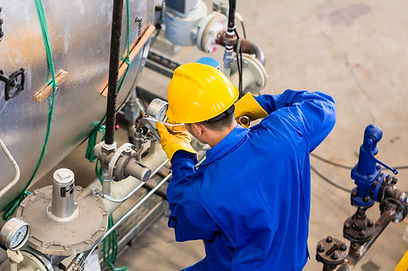
2.4 Lubrication and cleaning
-
Lubricate the moving points of the mechanical valve.
-
Clean the dirt, impurities, moss around the flange and shaft.
-
Do not use unsuitable grease that can damage the rubber gasket.
2.5 Check electric/pneumatic control valve
-
Check the actuator operation.
-
Measure the control signal (4–20 mA or on/off).
-
Check for air leaks at the pneumatic valve.
-
Ensure the valve opens and closes at the correct set stroke.
2.6 Check the one-way valve
-
Ensure the valve door is closed tightly to prevent backflow.
-
Check the return spring (for spring check valves).
-
Clean the valve cover to avoid foreign objects from jamming the valve leaf.
3. Signs that the valve needs maintenance or replacement
-
Leaking water at the valve stem or flange.
-
Very heavy opening/closing or unable to turn.
-
Valve not sealing even after turning all the way.
-
Abnormal pressure increase in the system.
-
Check valve makes a loud “pop” sound or reverses flow.
-
Handwheel/gearbox slips or makes unusual noise.
-
Control valve does not receive signal or runs out of stroke.
4. Recommended maintenance schedule

5. Benefits of properly maintaining valve systems
-
Prevents leaks, water loss and tank overflow.
-
Protects pumps and entire pipelines from abnormal pressure.
-
Ensures design flow for treatment facilities.
-
Reduces the risk of plant shutdown due to stuck valves or damaged gaskets.
-
Optimizes operating costs and long-term maintenance costs.
-
Increases system life and ensures technical safety.
6. Valve system maintenance service (for businesses)
-
Survey the entire valve system along the pipeline.
-
Check and evaluate the actual condition of each valve.
-
Tighten flanges, replace gaskets, lubricate handwheels/gearboxes.
-
Clean – descale – treat corrosion.
-
Maintain actuator valves: align signals and strokes.
-
Prepare a status report, recommend upgrades or replacements if necessary.

CÔNG TY TNHH CAMIX
34 - 36, Đường 57A, P.Tân Tạo, Q.Bình Tân, Tp.HCM
Tel: (028) 3601 5966 - Fax: (028) 5407 3938 - Email: info@camix.com.vn
Hotline: 0903.318.778 (Ms.Phuong Linh) - 0976.164.441 (Mr.Anh Khoa)
